



Our team collected 78 different mosquito species encompassing all known (to our knowledge) mosquito types in Africa to date and recorded their wingbeat signatures. We then trained an AI model to detect mosquito species based on these wingbeats and embedded this capability into an IoT device that also measures climatic and environmental metrics.
This device was integrated into a smart mosquito trap, which was then deployed in collaboration with communities and government partners across Ghana. All traps are connected to a local cloud infrastructure.
The system continuously records:
• The species of mosquitoes detected
• Their geographic location
• Corresponding environmental and climatic data
This data is made available in real time to the public, researchers, and policymakers. The system also identifies hotspots for different mosquito species and the environmental conditions driving their presence.
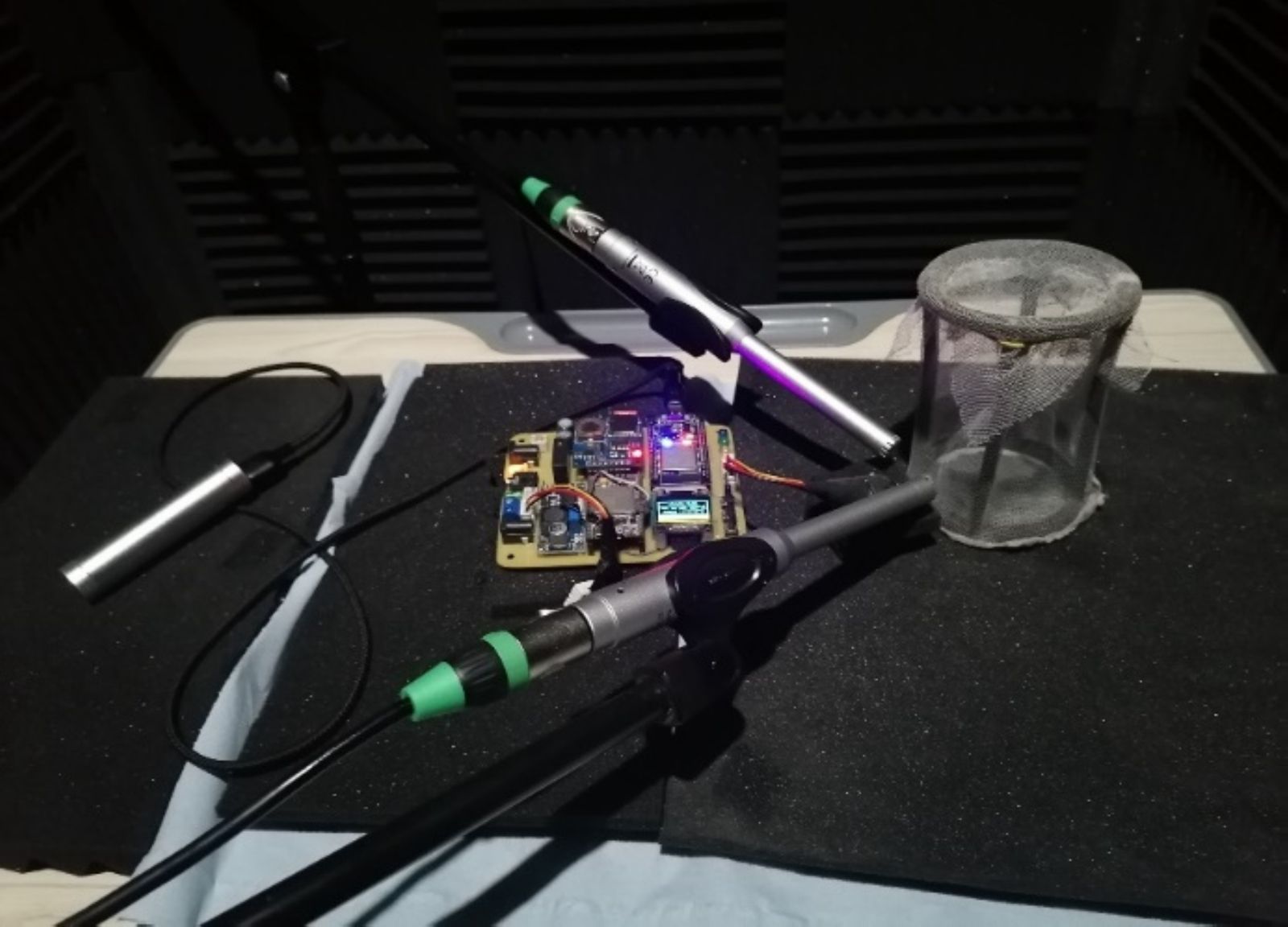
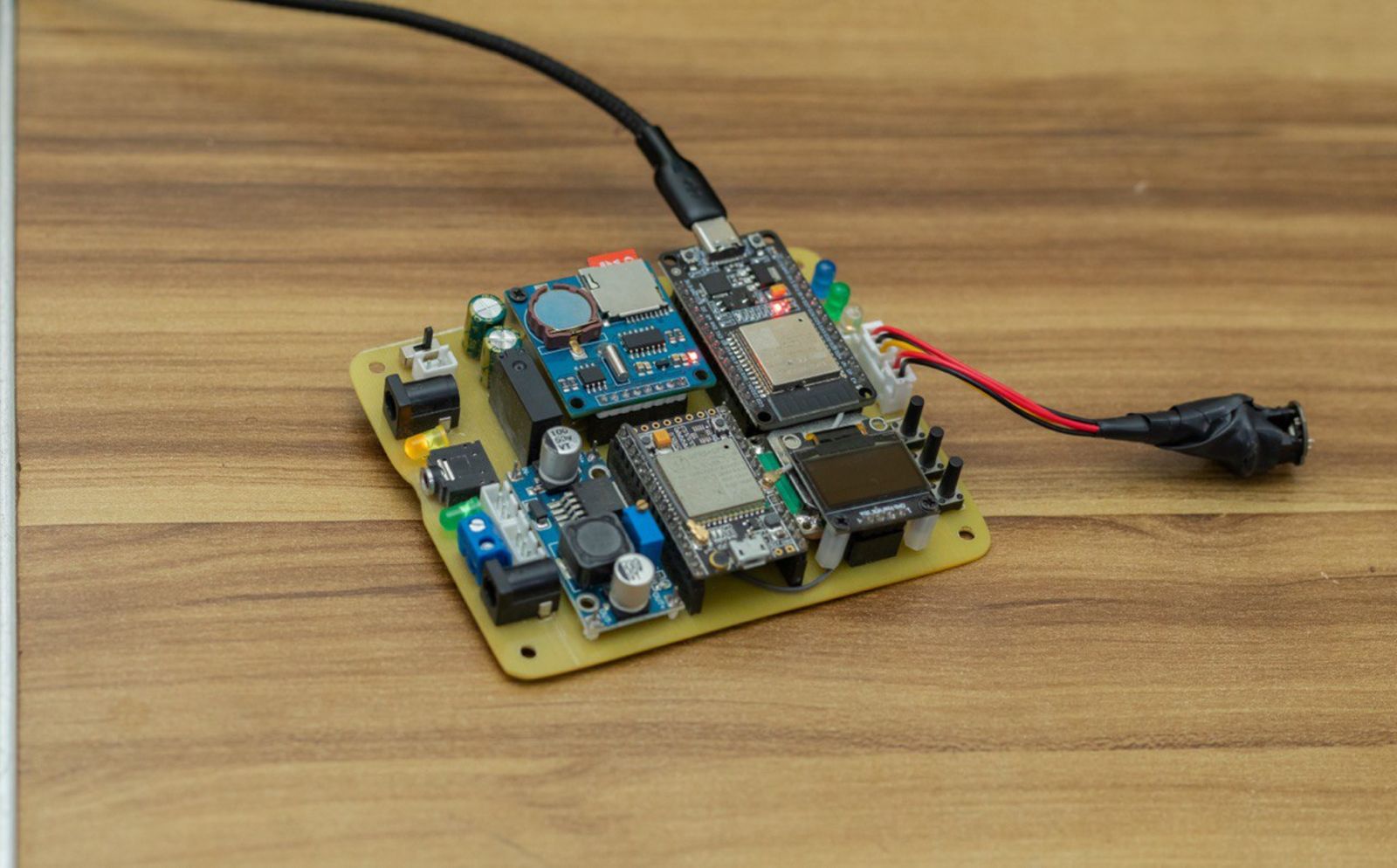
When a new or unknown mosquito species is detected in a community, the system immediately flags it. If multiple unknown detections are reported in one area, the team is dispatched to collect mosquito samples and record the environmental and climatic metrics. In the lab, we determined whether the mosquito is carrying any pathogens, providing an early warning system for emerging disease vectors and the climatic metrics. Additionally, the system continuously learns from the evolving data and can forecast mosquito trends across regions, updating itself dynamically to reflect real-time conditions and patterns.